A small kitchen does not need a miniature version of a professional kitchen. It needs tools for the meals you actually make. Someone who chops vegetables, boils pasta and reheats leftovers has different needs from a weekend bread baker. Start with your weekly routine before ordering a large matching set.
Start with three familiar meals
Write down three meals you regularly prepare and list the actions involved: chopping, boiling, draining, turning or blending. This produces an equipment list based on tasks. An item that never appears on the list can usually wait.
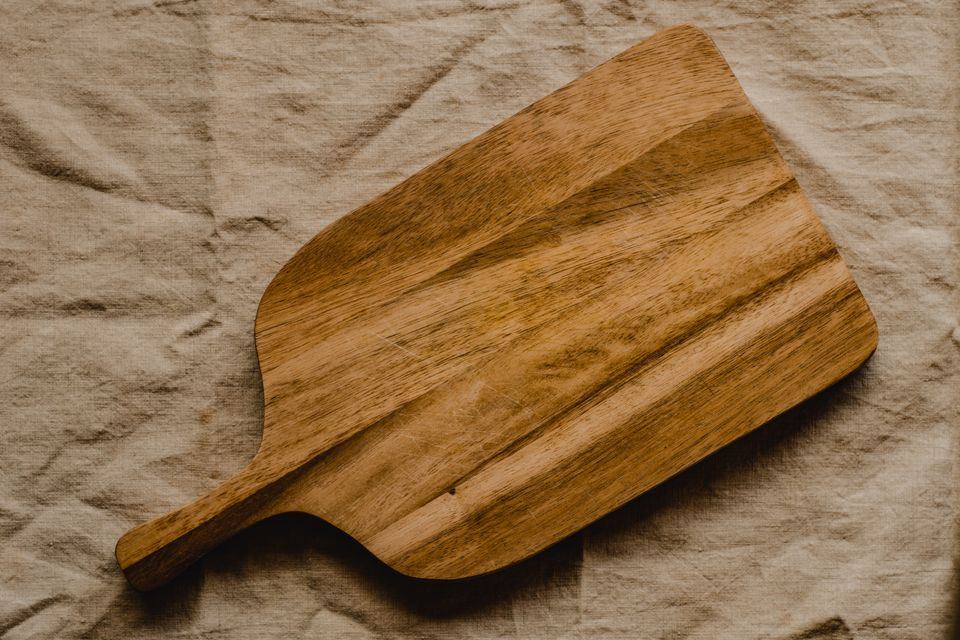
For many simple meals, a manageable chef’s knife, a stable chopping board, a lidded saucepan, a frying pan and a cooking spoon form a useful starting point. This is not a fixed shopping list. A regular soup maker may need a larger pot, while someone who rarely fries food can add a pan later.
Check storage before buying
Measure the usable length of drawers and the depth of cupboards. Handles take up space beyond a saucepan’s stated diameter. Check whether your largest board will sit beside the sink without obstructing the tap or overlapping the hob.
Stackable equipment helps only when you can retrieve it easily. If the everyday pan sits beneath four rarely used pots, a set adds work each time you cook. Give frequently used tools the most accessible storage positions.
Spend on the parts you handle
For a knife, look for a secure grip and a size you can control. A board needs stability and enough usable surface. A pot needs suitable handles, a lid and compatibility with your hob. Compare these characteristics first; a high piece count does not replace them.
A set can offer value when you need all its contents. Otherwise, assess the price against the items you would have bought separately. Extra lids and several rarely used ladles do not automatically make the package a better purchase for your kitchen.
Try a week without buying more
Use your existing equipment for a week and record actual difficulties. Did you repeatedly need to wash the same bowl? Was a missing colander a problem, or could another method do the job? Then buy the item that was repeatedly missing. Your kitchen can grow with your habits rather than a retailer’s checklist.
Before you buy
- List three frequent meals and the actions they require.
- Measure drawers, worktop space and cupboard depth.
- Read hob compatibility and care instructions before buying.
- Compare separate prices only for items you would actually use.
A useful starter kitchen handles recurring tasks and keeps the tools easy to reach. It is complete when your everyday cooking works.