
Kitchen & cooking
Equip a small kitchen with fewer, better tools
Find the tools you use every day, and leave the rest until a real cooking task calls for them.
Search for an item or browse every topic.
79 guides
No matching guides. Try a different word.
Find the tools you use every day, and leave the rest until a real cooking task calls for them.
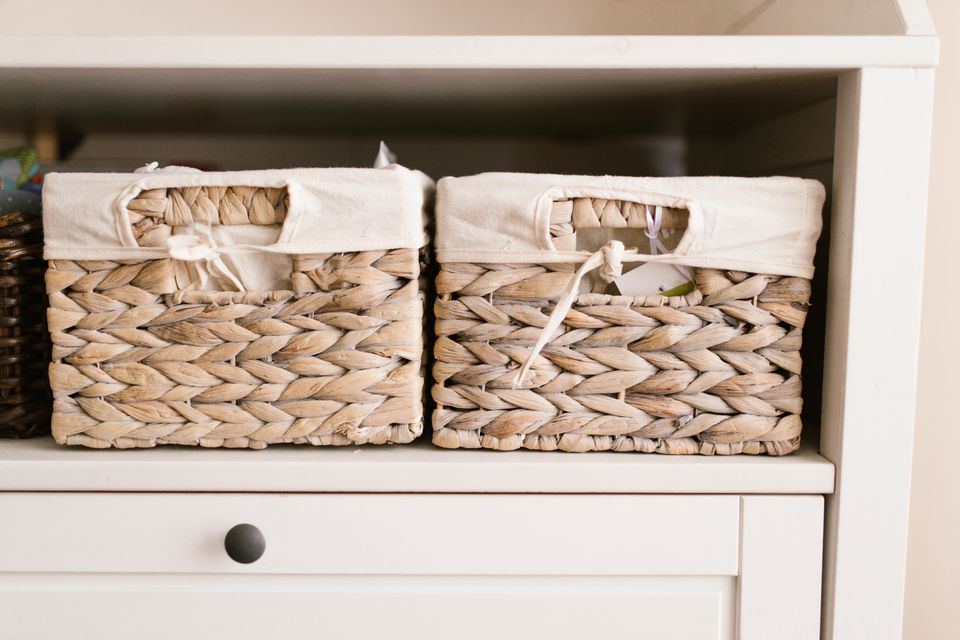
Check the usable dimensions and contents before choosing baskets that look tidy but make everyday storage awkward.

Choose around your worktop, washing routine and the ingredients you prepare.

Grip, blade height and manageable length matter more than the number of knives in a set.

Compare the base, cooking zone and everyday portions before choosing the largest diameter.
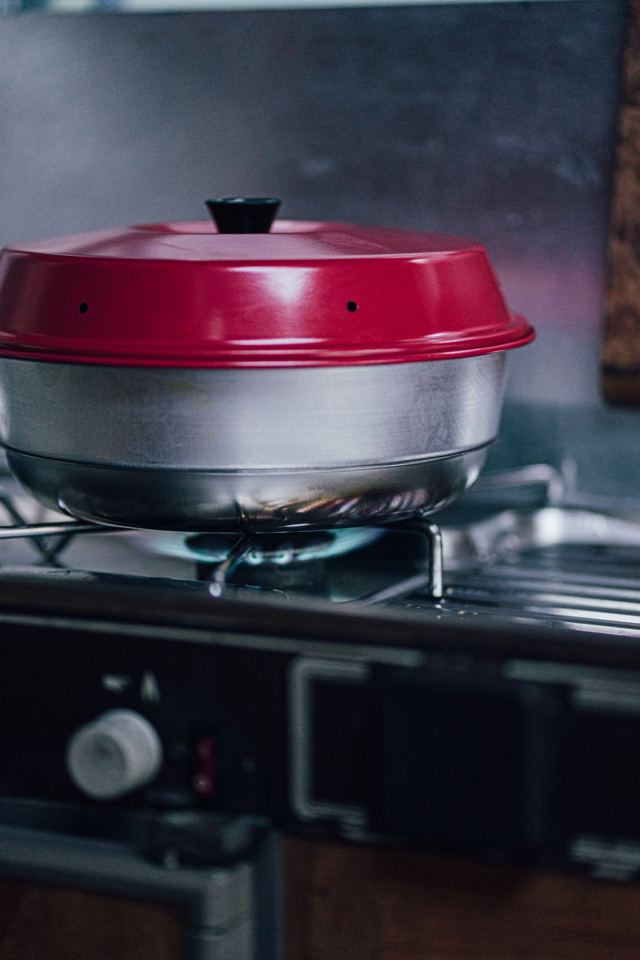
A useful pan is easy to fill, carry, empty and store in your own kitchen.

The opening, footprint and fridge clearance determine whether a carafe gets used regularly.

Begin with available filter papers, a stable fit and a capacity that suits your routine.

Choose the jug around your actual coffee quantity and access to its individual parts.
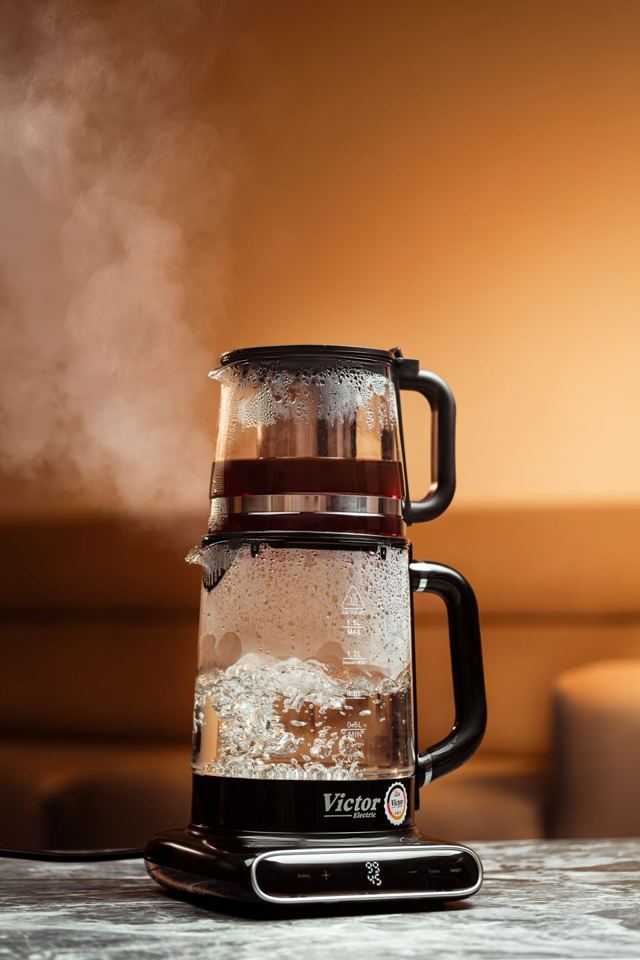
Fill levels, lid access and cable placement help you choose a kettle that works on your counter.
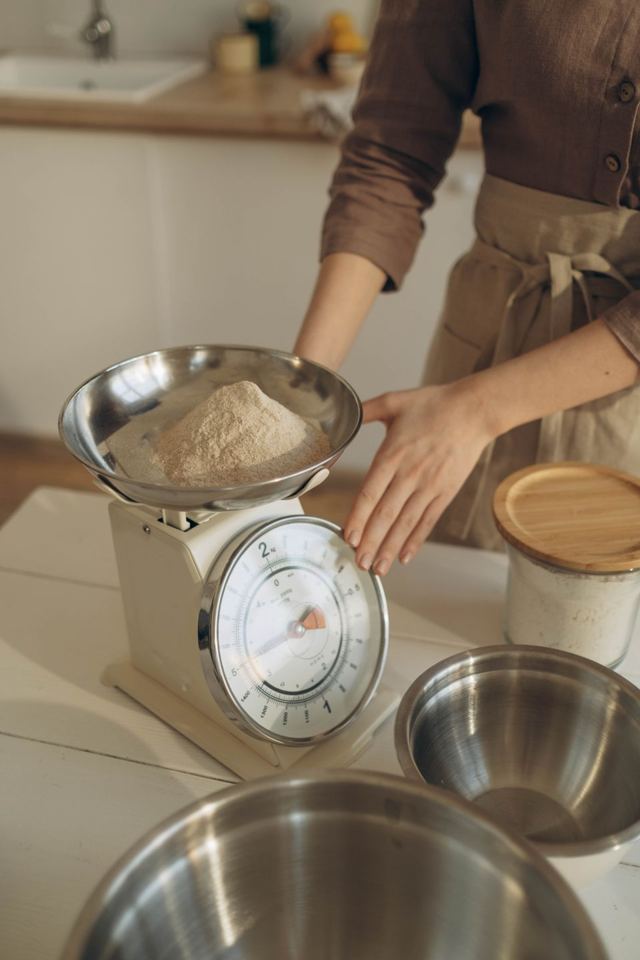
A visible display, convenient tare function and suitable platform matter more than special programmes.

Two meaningfully different sizes may be more useful than a large set of similar bowls.

Start with familiar recipes, then check internal dimensions, closures and oven space.

Your ordinary quantity helps decide between a large colander, a compact strainer and a folding design.

Cheese, citrus zest and vegetables call for different surfaces. Choose for the task you repeat most often.

Blade length and board space help decide whether another knife makes everyday preparation easier.

Assess viewing angle, pouring and scales against the quantities you actually measure.
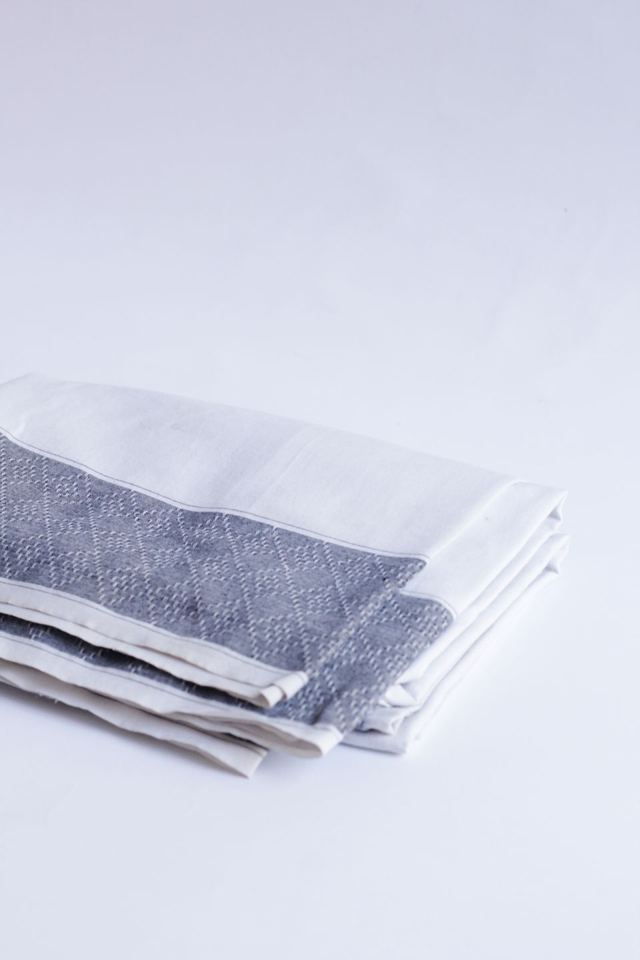
Size, weave and a suitable drying position matter more than buying a very large pack.
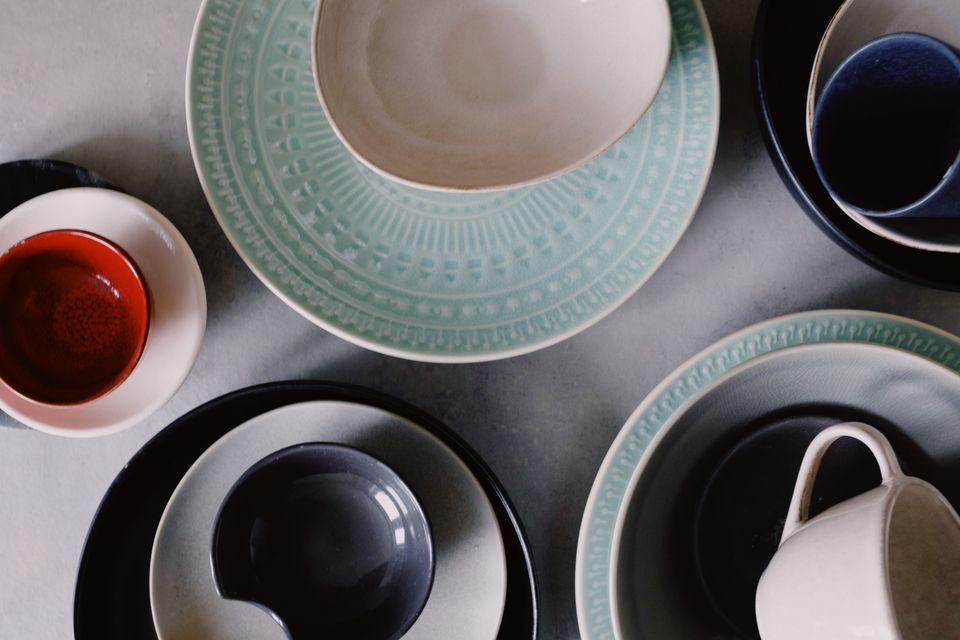
Overall diameter, stack height and dishwasher fit help you choose plates for everyday meals.
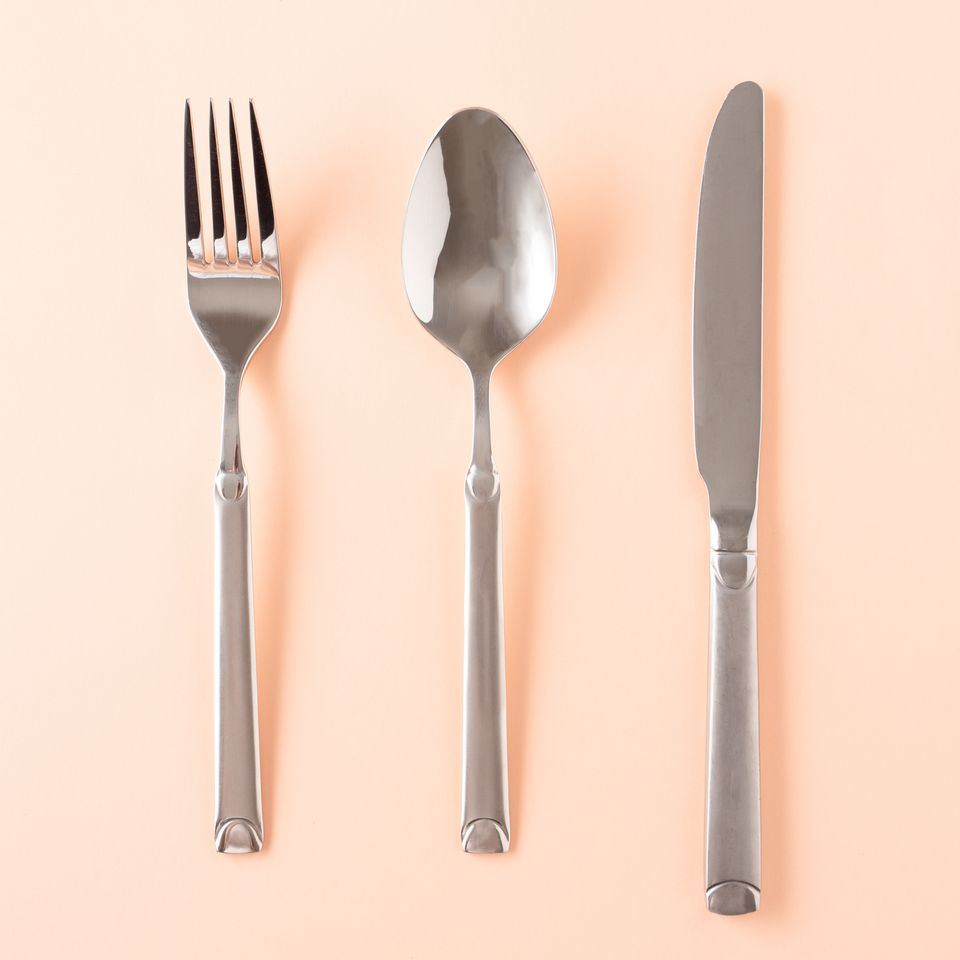
Assess the pieces you hold daily and compare sets using the place settings you actually need.
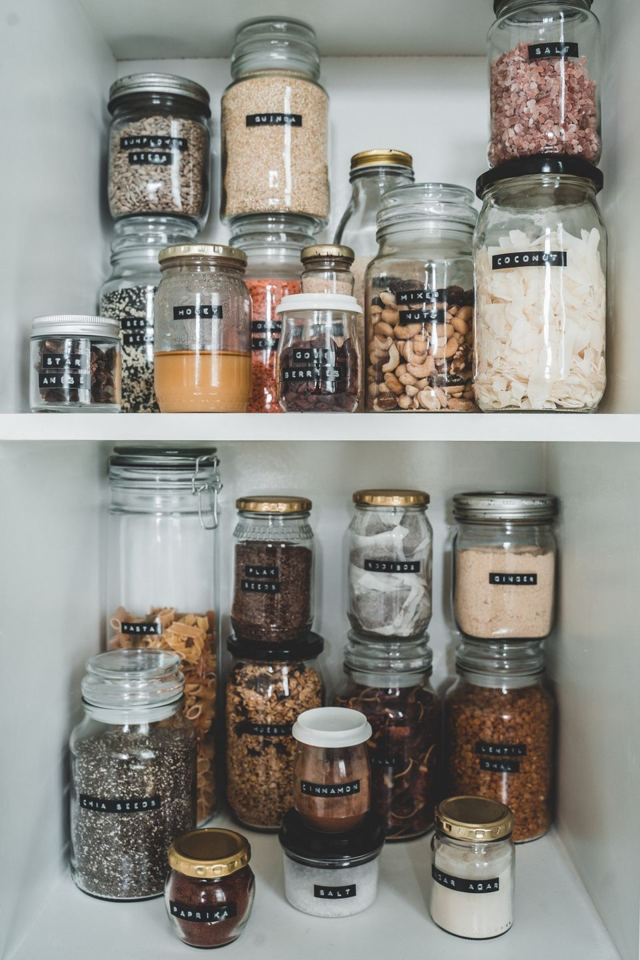
A well-fitting jar keeps supplies visible without filling the cupboard with rows that are difficult to reach.

Fewer lid shapes can make everyday storage easier when container sizes, materials and cleaning requirements also fit.
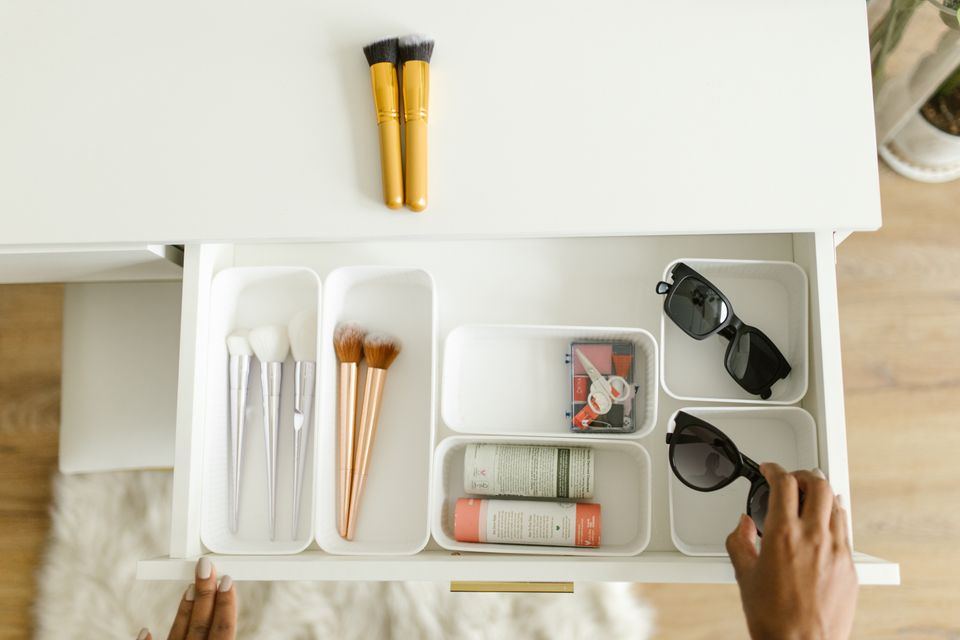
A drawer becomes easier to use when compartments suit the objects inside rather than simply matching its outer width.
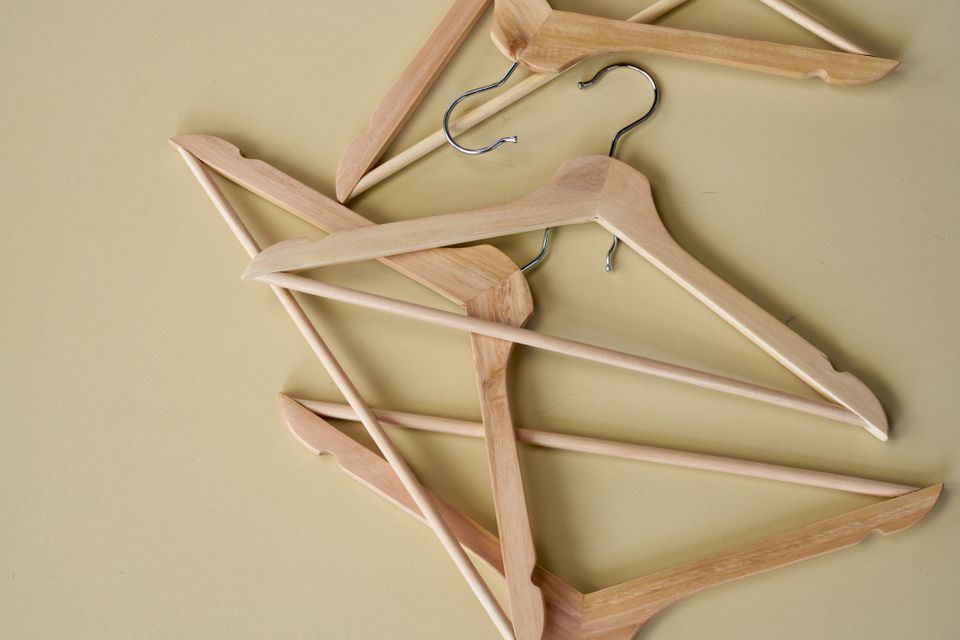
Suitable shoulders, usable hooks and a manageable selection help more than the largest possible pack of matching hangers.
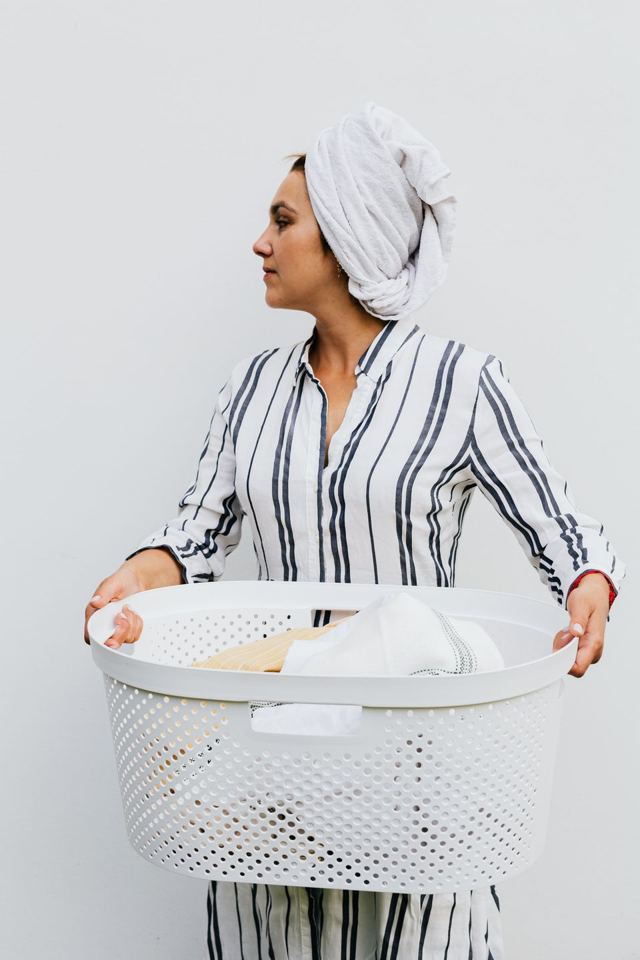
A laundry basket needs to stand, travel and be emptied conveniently. Plan all three situations before buying.

Count more than pairs. Shoe height, depth and everyday routes determine the right rack.
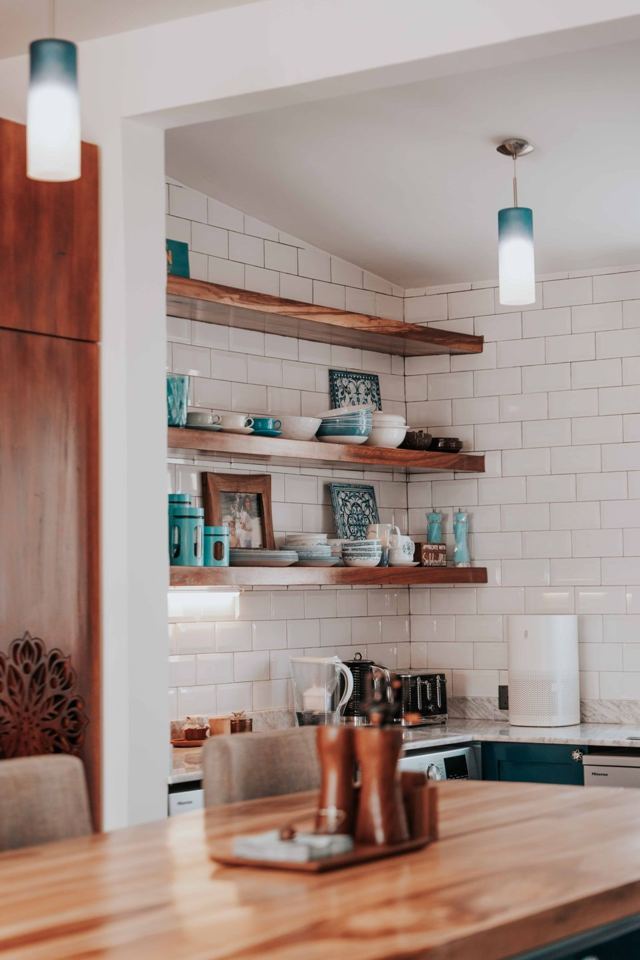
Open shelves work better with clear purposes, reachable compartments and room to lift things out.

Before adding boxes, review your wardrobe’s clothes, everyday access and usable dimensions.

Bed drawers provide useful storage only when they remain fully accessible in the furnished room.

Plan wall hooks around coats, bags and reach, including suitable fixing from the start.
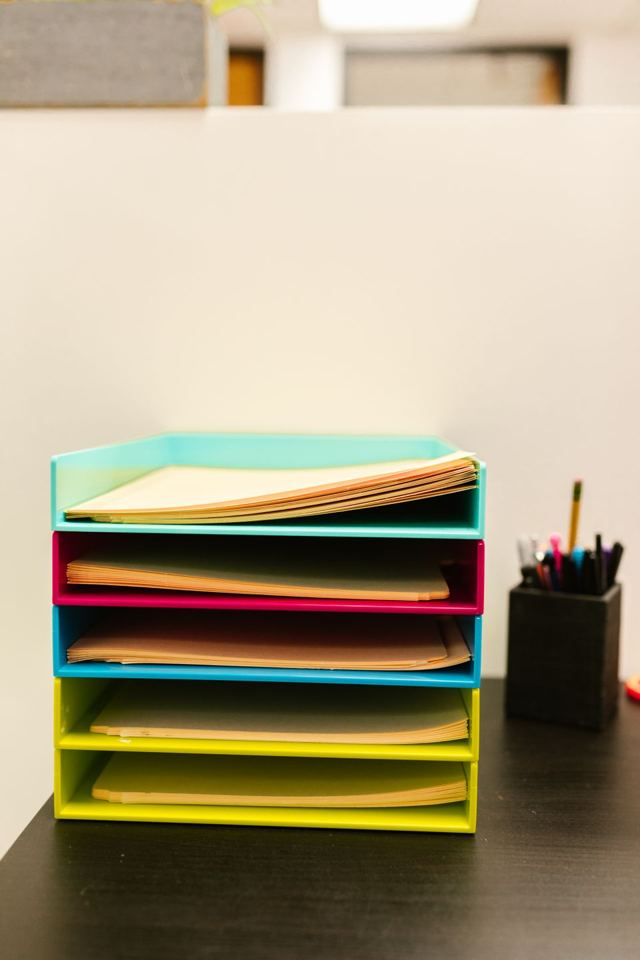
A document tray helps when each level represents a next action and papers move through it regularly.

Start with the connections you actually need, leaving movement room for a laptop, monitor and everyday devices.

A travel bag needs as many compartments as your packing routine uses sensibly, plus handles for the actual journey.
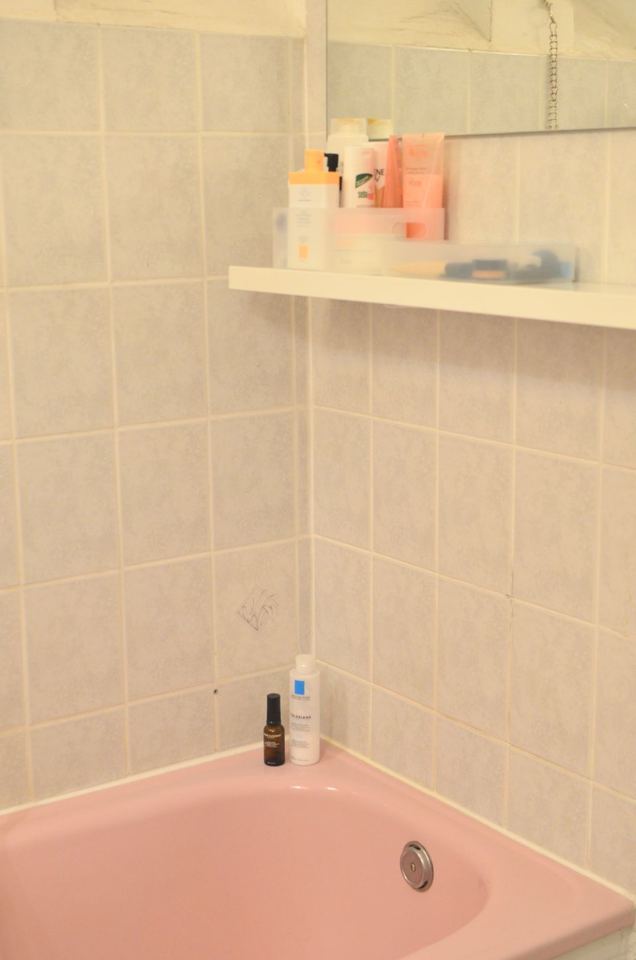
Bathroom shelves need appropriate materials, accessible cleaning surfaces and room for your actual bottles.

Separate places for necklaces, rings and earrings help more than a jewellery box with the largest possible compartment count.
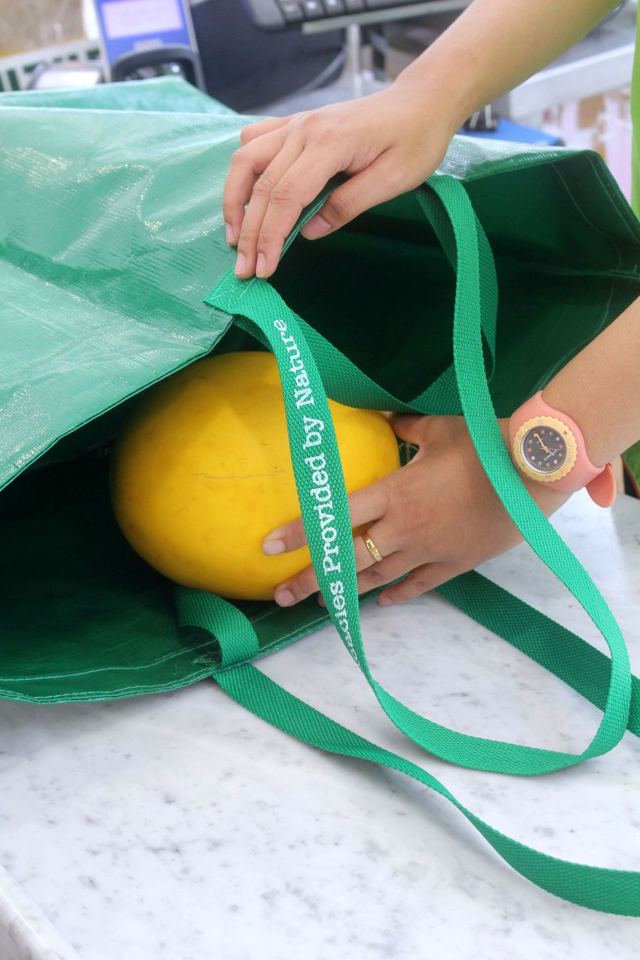
A reusable shopping bag helps most when you bring it, carry it comfortably and load it appropriately.
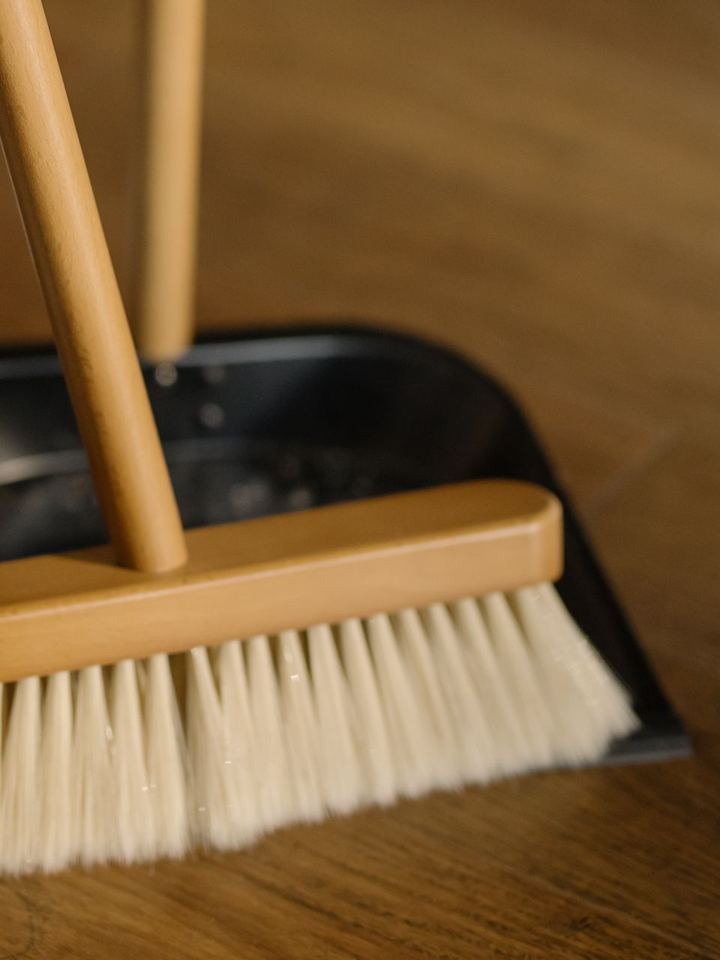
Bristles, the dustpan edge and storage determine whether a simple sweeping set earns its place.
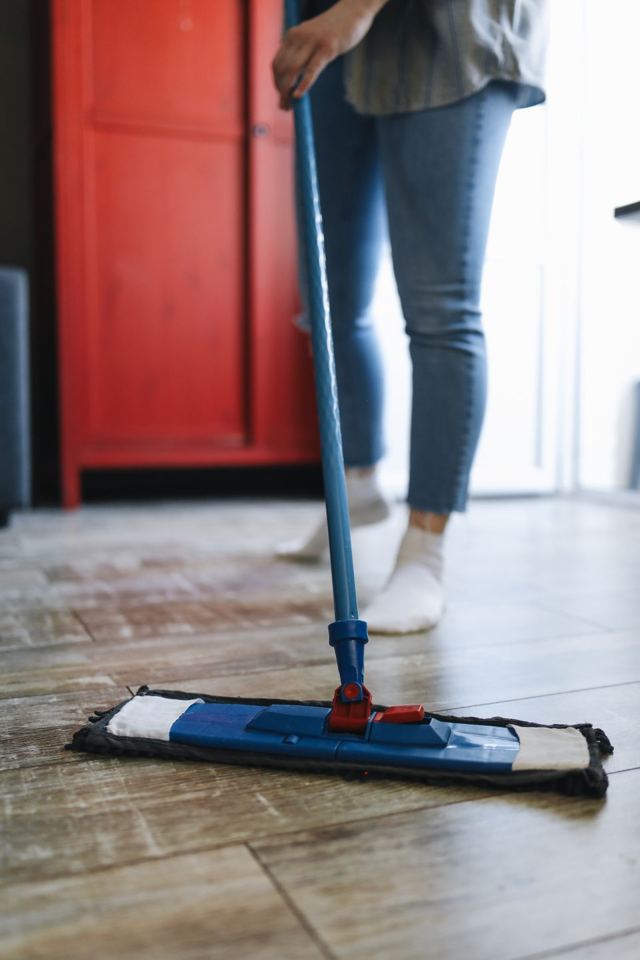
A manageable mop fits your floor, water access and the space available for its bucket.

Plan its journey through your home before comparing accessories and appliance size.
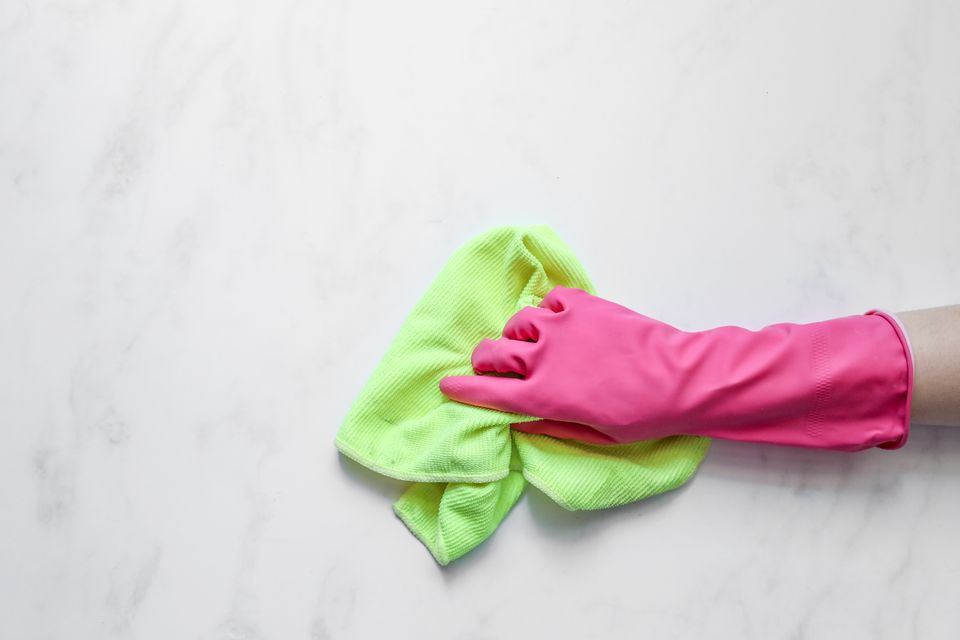
A manageable cloth system starts with clear jobs rather than an oversized multipack.

A replacement head helps only when the connection, care and future supply work together.
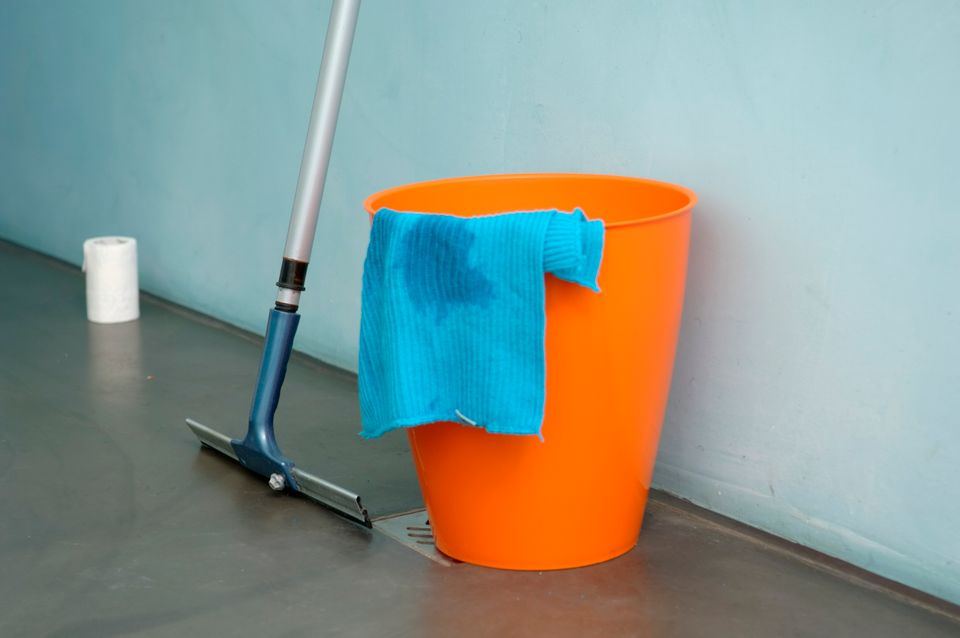
Capacity is only part of the choice: filling, carrying and emptying need to work in your home.
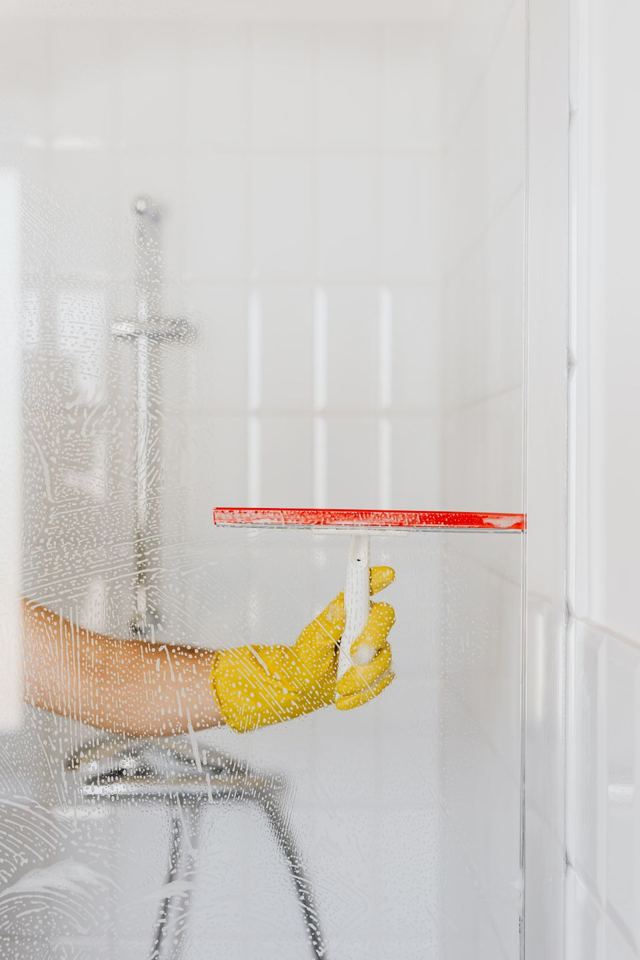
A small tool should reach the glass and dry conveniently between uses.
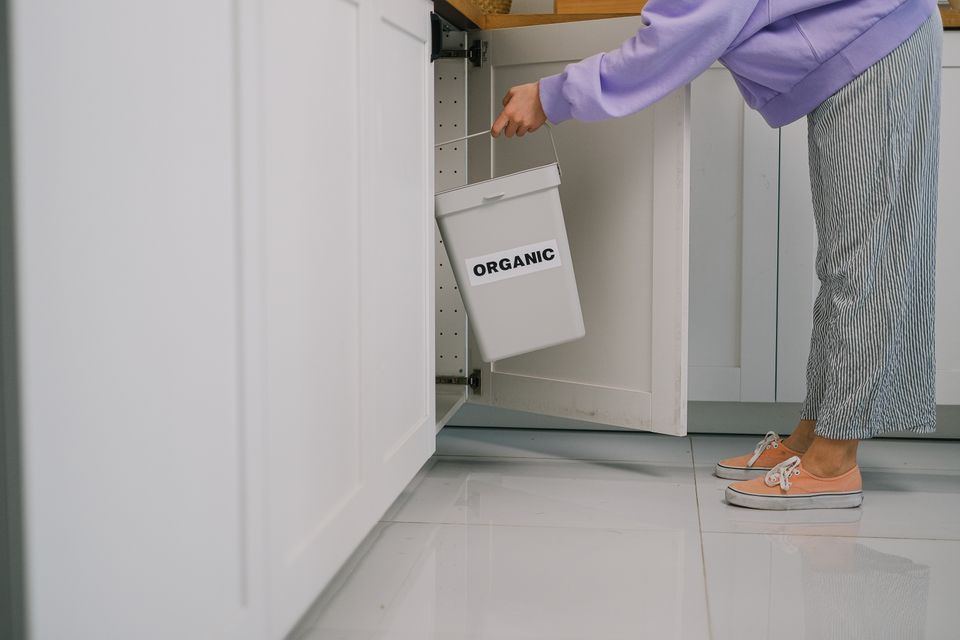
Opening clearance and emptying routines matter more than the largest possible capacity.
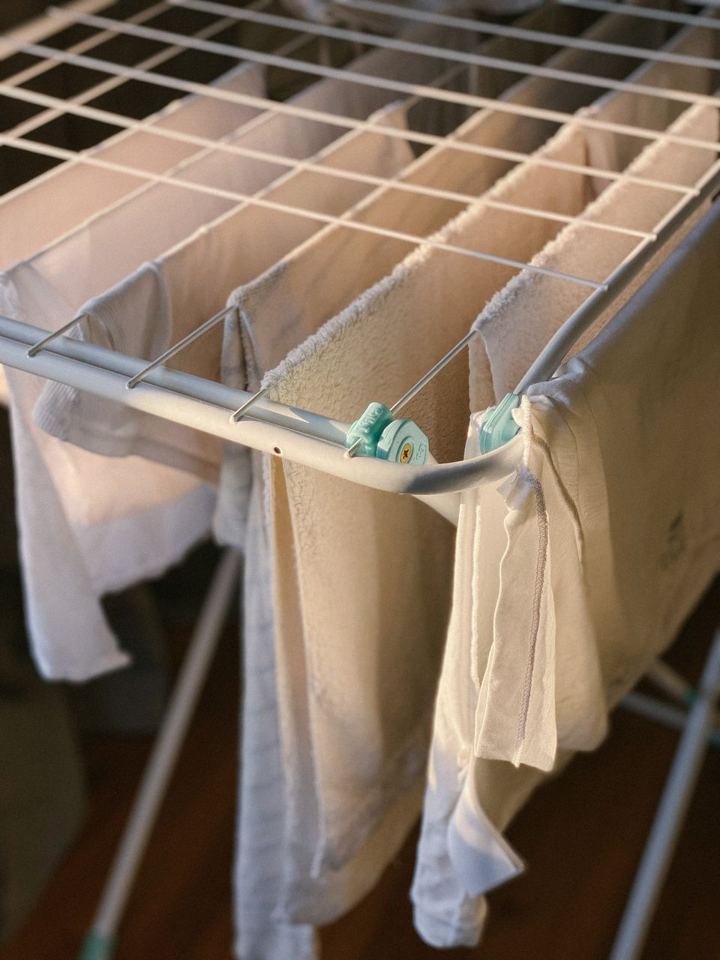
Open dimensions, laundry shapes and storage space belong on the same shopping list.

Inspect contact surfaces, handling and storage before buying a large multipack.

Working height, locking mechanism and iron rest should all suit your ironing space.

Care labels, colours and fabric requirements turn a full basket into suitable wash loads.

Choose around the fabric, usual debris and the supplies you will actually need to replace.
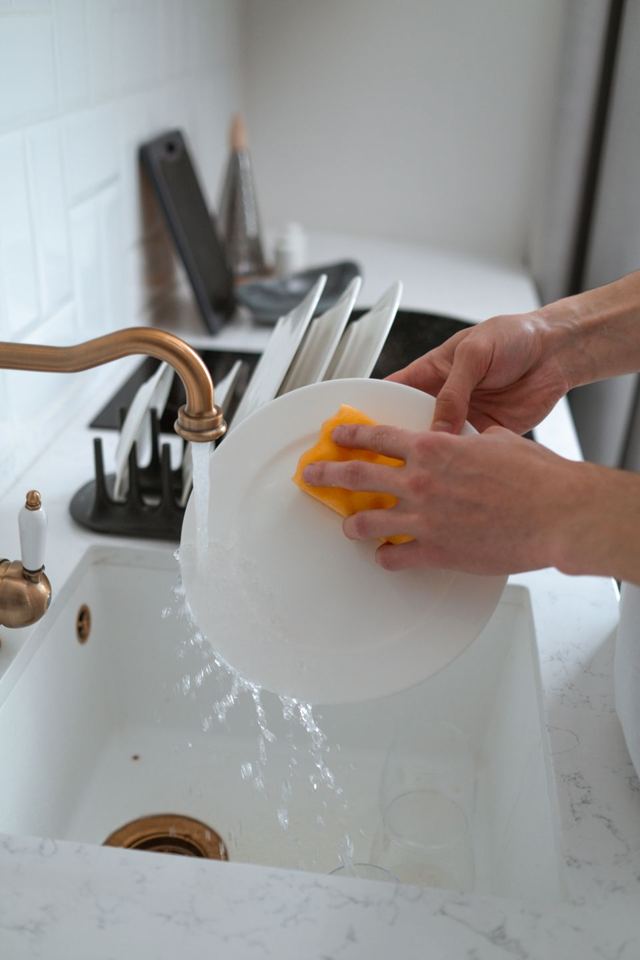
A sponge’s colour does not reliably tell you which surfaces it may be used on.

Length is only part of the choice: head size, control and cleaning must fit the location.

Smooth uppers, textured finishes and soles should not automatically share the same brush.

Start with the dimensions of your existing pillows and duvets to turn an attractive bedding offer into a useful purchase.

The useful size depends partly on where a towel can hang and dry fully after it has been used.

A new cover may be enough. Check size, shape and care before replacing complete cushions.

A useful throw is comfortable to use, store and care for. Its decorative effect is only part of the choice.

The pole, heading and finished fabric length work together. Start with the actual fixing.
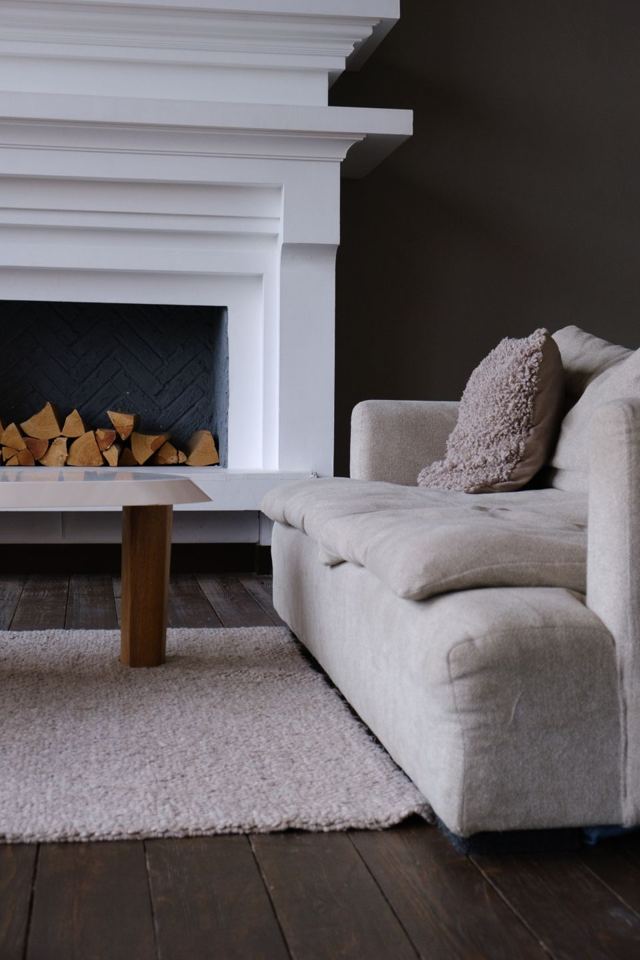
Mark its footprint and check doors, furniture feet and access for cleaning.

Compare reach, adjustment and controls where you actually read, write or draw.

Useful height depends on the bed, your reading position and the area you want to illuminate.
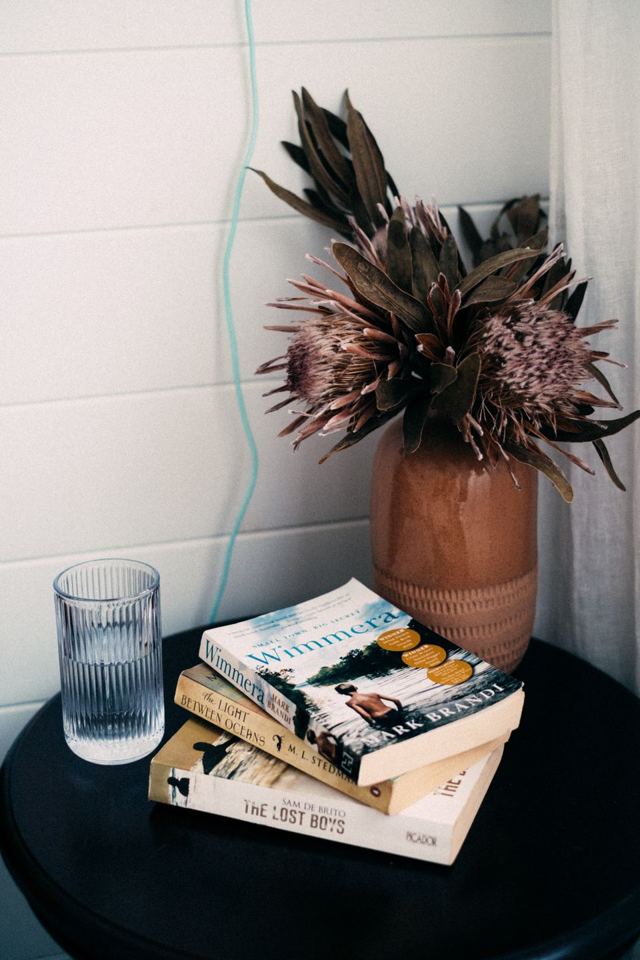
Match height and reach to the seat beside which the table will actually stand.

Door clearance, flooring and cleaning access should come before colour or a welcome message.

Matching labels are not enough. Check internal space, access and the surface underneath.
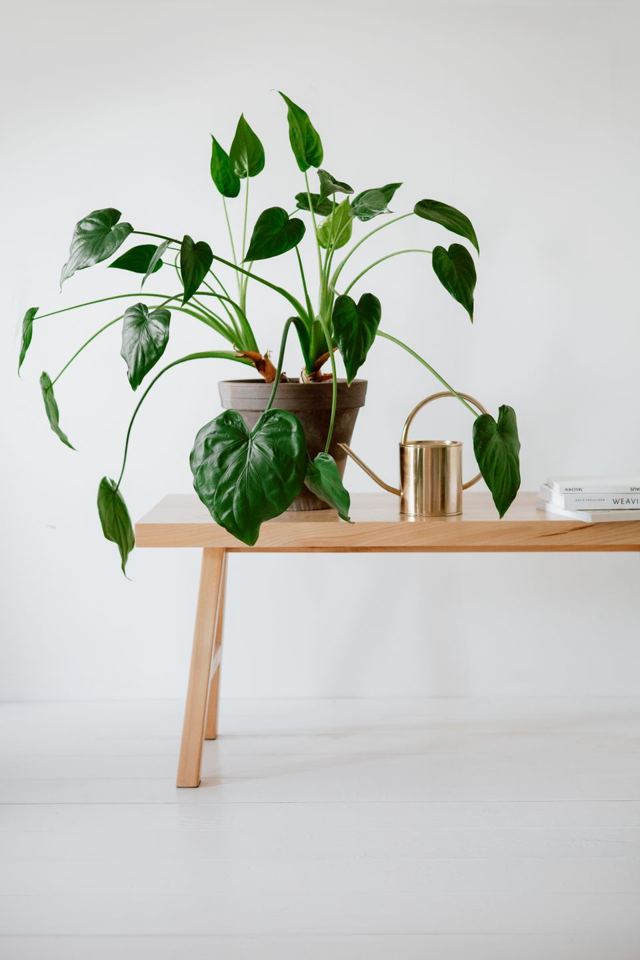
Spout shape, grip and tap clearance are important details on a small indoor watering can.
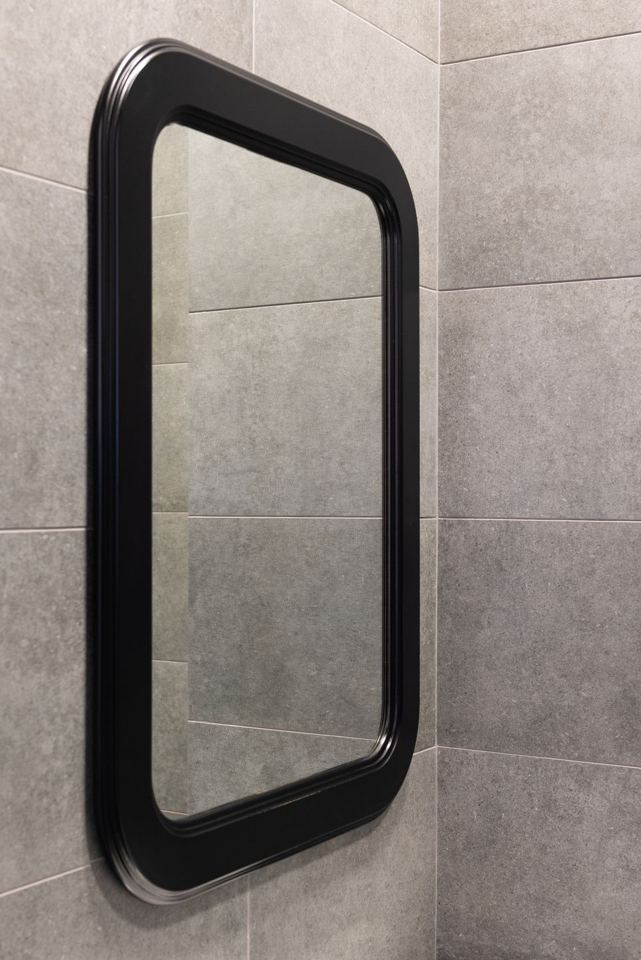
Consider viewing angle, wall space and the hanging system before choosing a decorative frame.

Match the display, buttons and power supply to your actual evening and morning routines.

A useful shopping list starts at home while leaving room for a deliberate extra purchase.

A manageable spending notebook reveals everyday expenses without turning each entry into a complicated task.

A comparable price per kilogram, litre or item helps you assess different pack sizes.
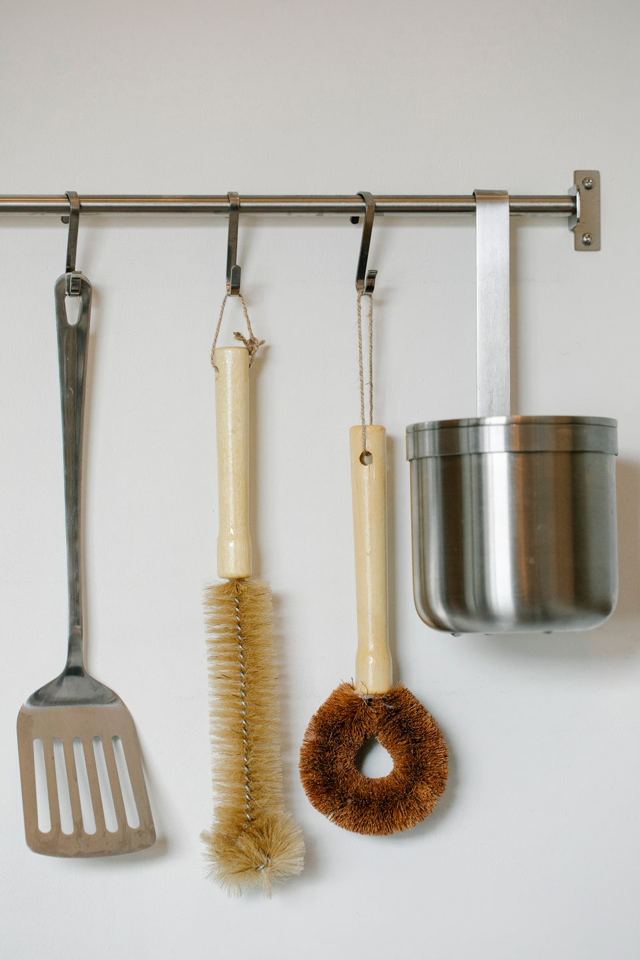
Compare kitchen sets through the pieces you need, their dimensions and the cupboard space they require.

For used furniture, condition, dimensions and transport matter more than an appealing photograph.
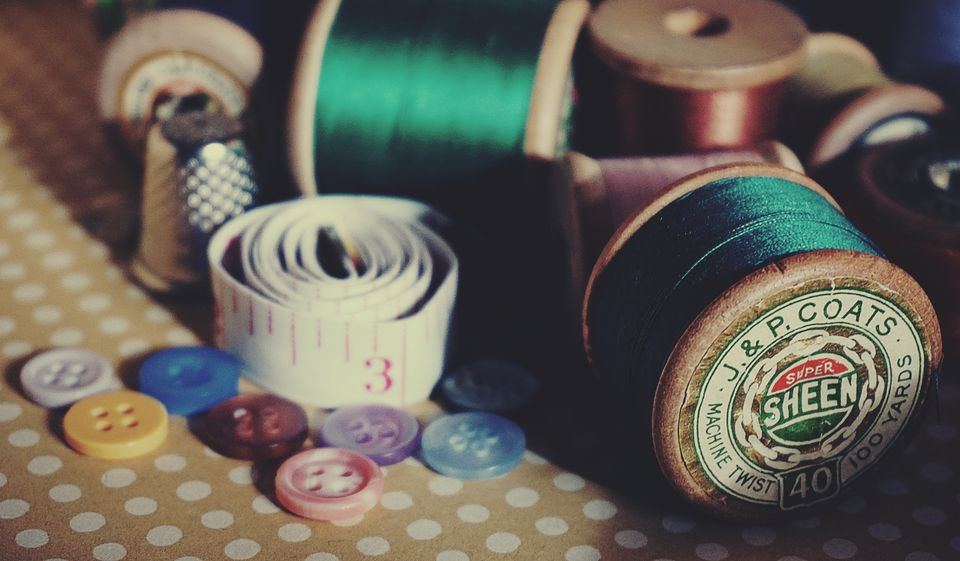
A few accessible sewing supplies help with loose buttons and small open seams.
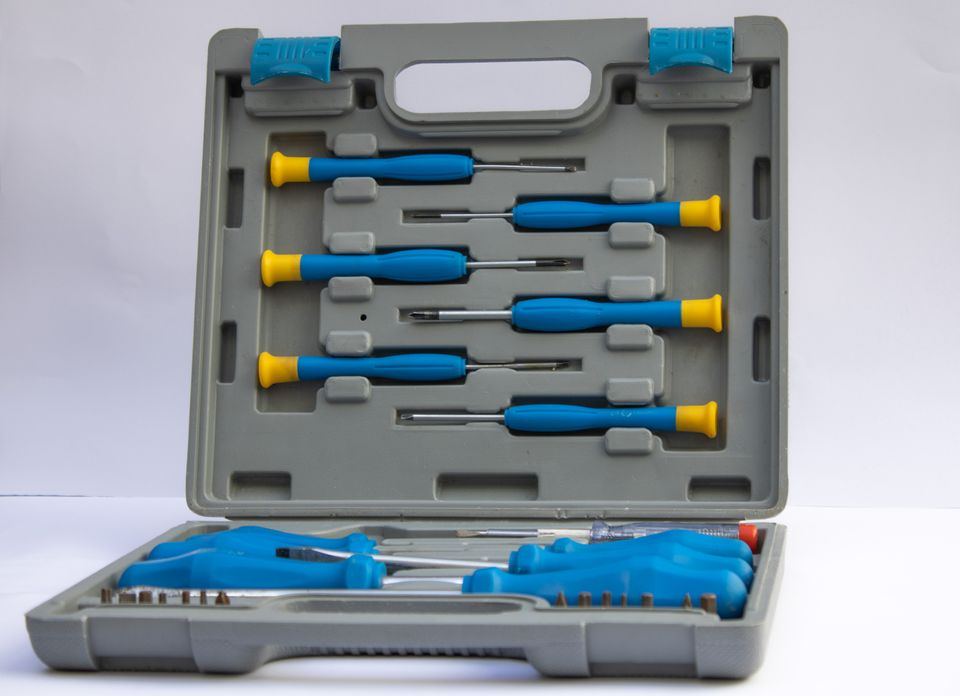
Choose tools for small household tasks around the actual screws, fittings and spaces involved.
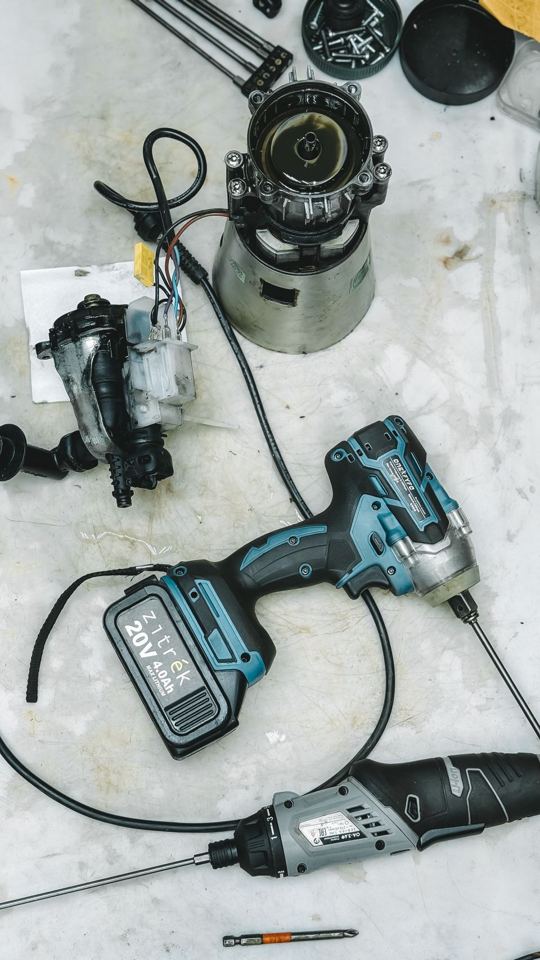
Before buying, check whether important accessories and wear parts can be found for the exact model number.

Plan the gift, wrapping and delivery together, deciding early which amount suits the occasion.

A short inventory and clearly labelled containers help prevent buying seasonal items again next time.
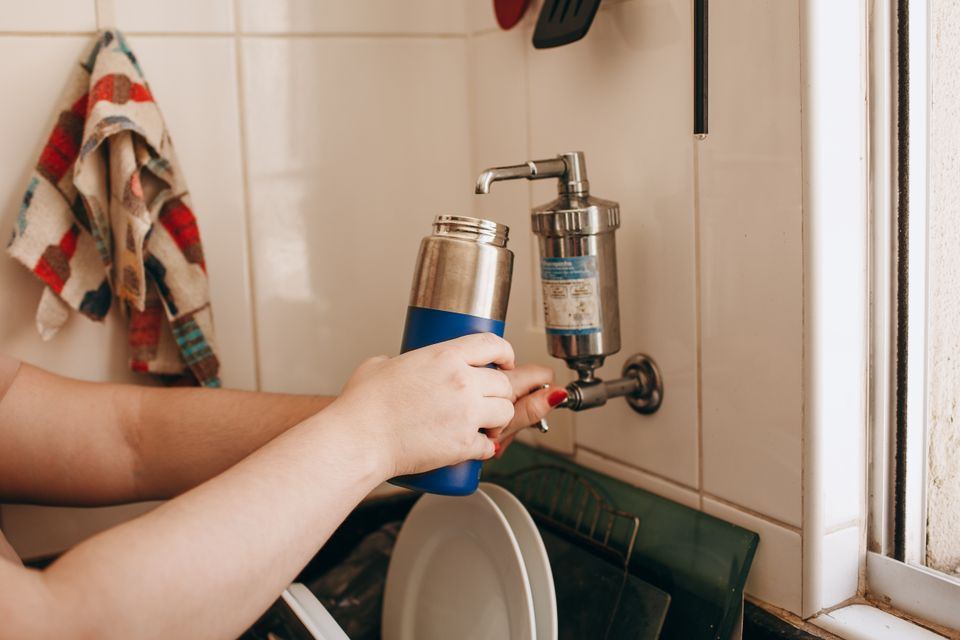
Choose a reusable bottle around opening, cleaning, carrying and reassembling it.
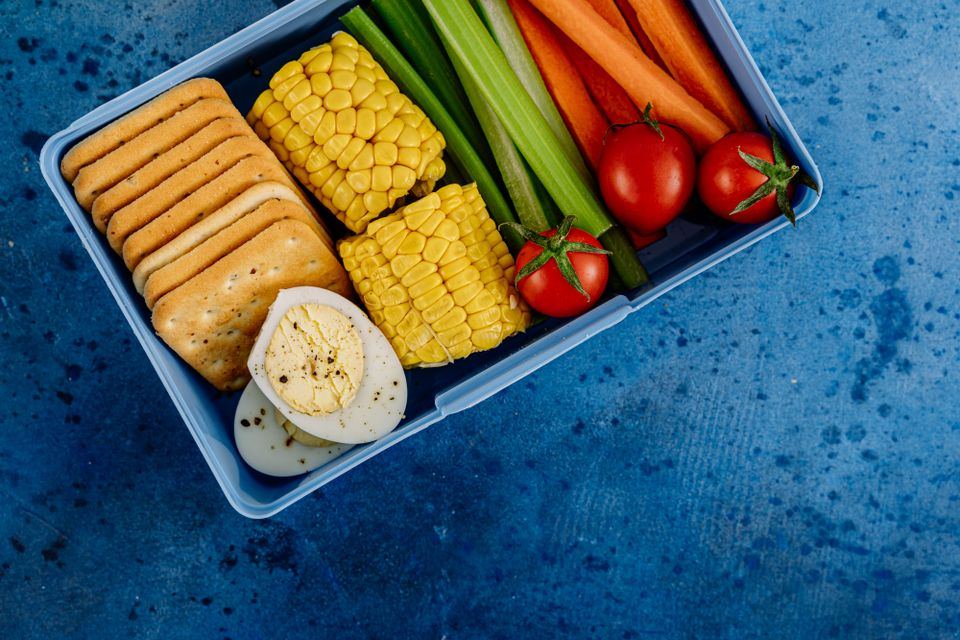
A lunch box should suit portion size, food consistency and transport before you choose extra compartments.

Compare repair and replacement through the specific damage, future usefulness and total effort involved.