Seasonal items are often bought twice because people remember owning them but forget their location. The solution starts before the next purchase: open the existing boxes and review their contents. Useful storage connects contents, condition and location. It should remain understandable when you look for the items months later.
Group by time of use
Put together things needed at the same time. Winter textiles, gardening accessories and celebration decorations do not automatically belong in one box merely because you are putting them away together. Different times of use make that mixture awkward later.
Keep frequently requested items accessible. Objects you also use in another season are better stored with everyday supplies. You then avoid opening a whole seasonal box to retrieve an occasionally needed table ribbon.
Decide before storing
Check which items are complete and usable. Put them away clean and dry in accordance with their care instructions. Storage does not make damaged items ready to use again. Record missing parts immediately, such as a lid or fixing, rather than trying to remember them until next season.
Separate items awaiting repair from ready-to-use supplies. A short list with a specific task is more helpful than a box labelled “later”. Things you no longer intend to use do not need to occupy permanent storage space.
Make labels readable from outside
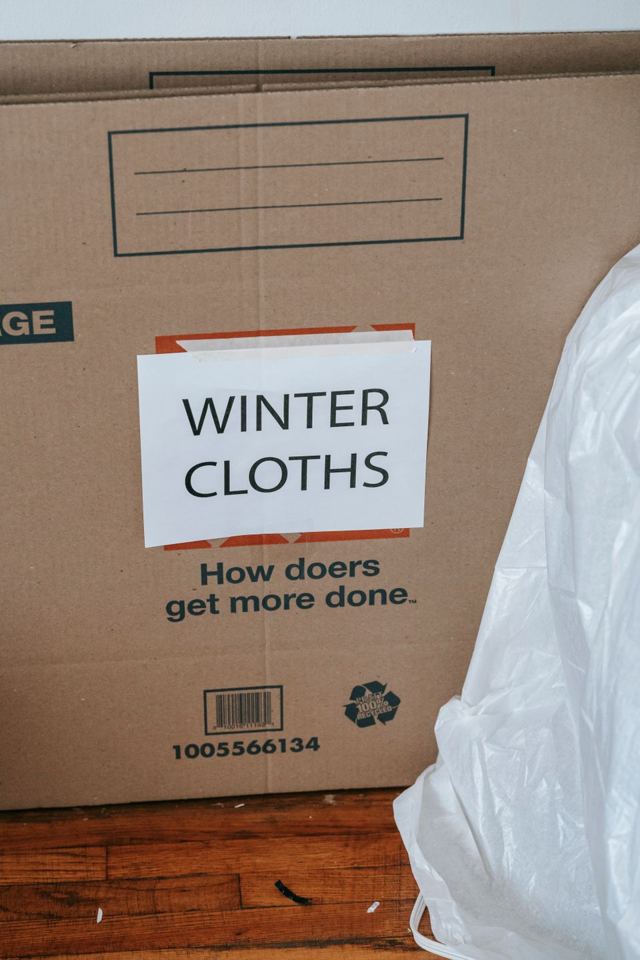
On the visible side, write a few clear contents rather than just “winter”. Numbers help distinguish several similar boxes. A brief inventory can then say “Winter 2: hats, scarves, gloves” and name the relevant shelf position.
A photograph of the open box supplements the list but does not entirely replace it. Small or hidden objects are difficult to recognise in a picture. Keep the overview where you check before shopping, such as a household notebook. A list buried inside the stored box offers little help at the shop.
Begin the next purchase with the inventory
As the next occasion approaches, read the inventory and retrieve the appropriate box first. Compare the planned use with the quantities you already have. Perhaps you need only a few hooks rather than a new decoration set. Update the list briefly after each season. It then remains trustworthy instead of including things that have long since been used up or passed on.
Before you buy
- Group items used at the same time.
- Check condition and completeness before storage.
- Make contents and location easy to find.
- Review supplies before seasonal shopping.
Seasonal storage prevents unnecessary purchases when you can find things in time. A short, current inventory is often enough.