
Smarter shopping
A shopping list that reduces impulse purchases
A useful shopping list starts at home while leaving room for a deliberate extra purchase.
Shopping decisions with a clearer plan.
A useful shopping list starts at home while leaving room for a deliberate extra purchase.

A manageable spending notebook reveals everyday expenses without turning each entry into a complicated task.
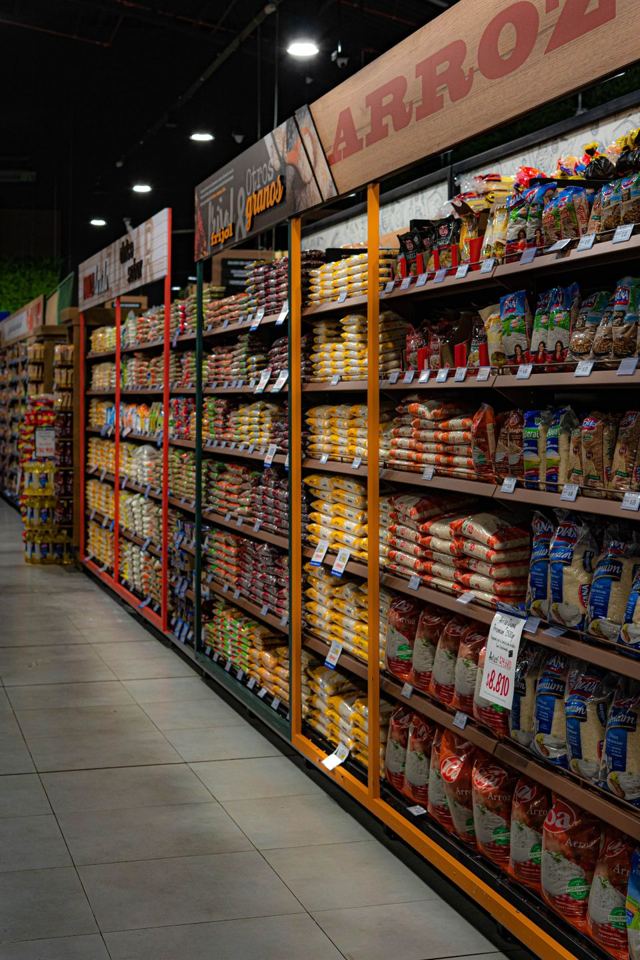
A comparable price per kilogram, litre or item helps you assess different pack sizes.
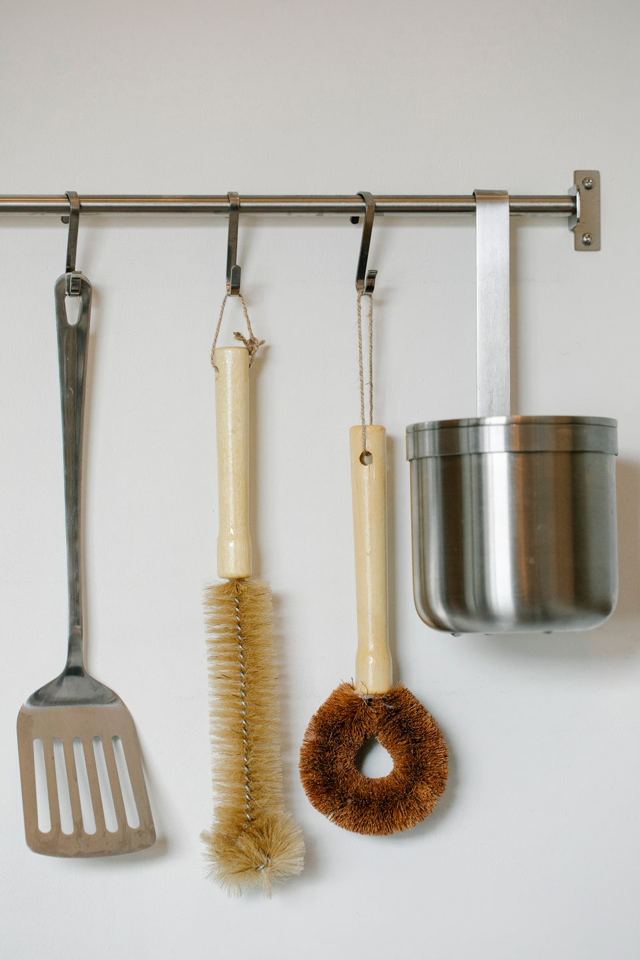
Compare kitchen sets through the pieces you need, their dimensions and the cupboard space they require.
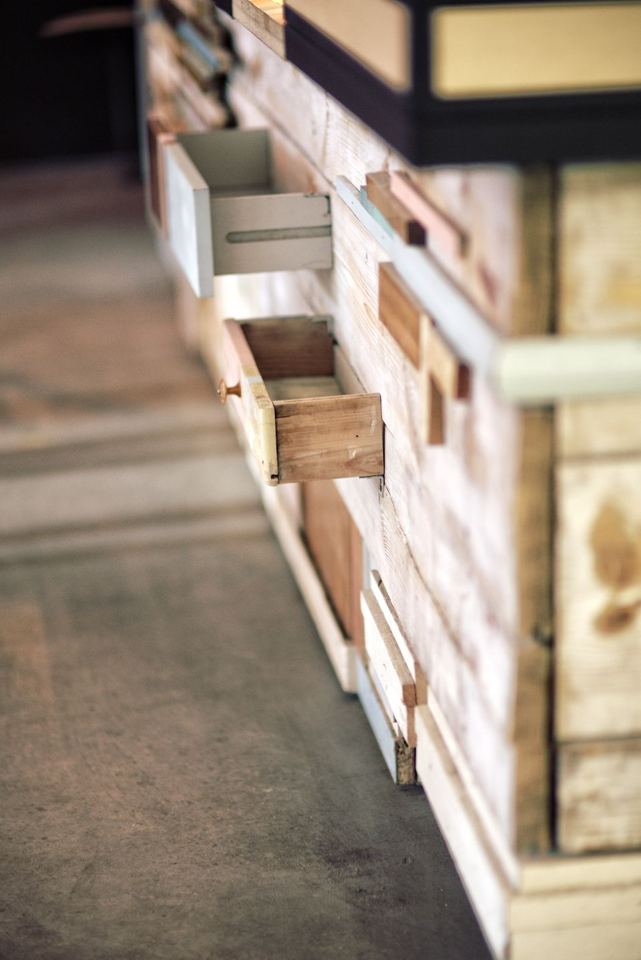
For used furniture, condition, dimensions and transport matter more than an appealing photograph.
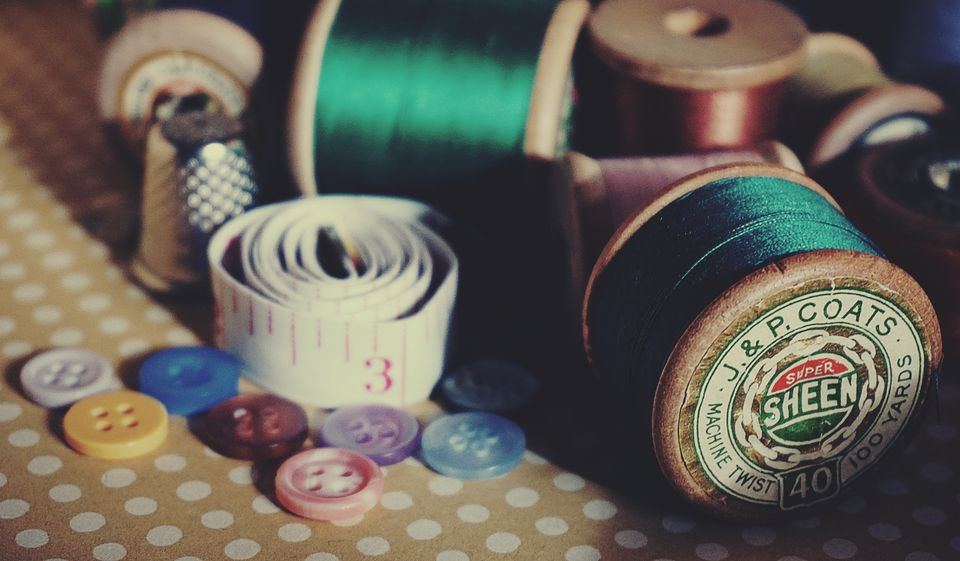
A few accessible sewing supplies help with loose buttons and small open seams.
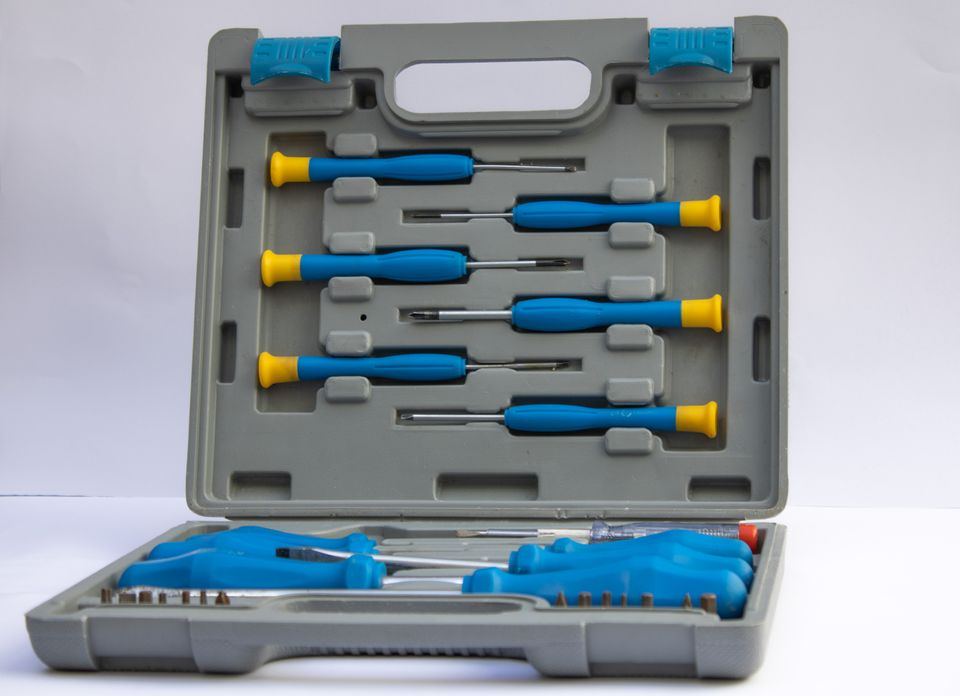
Choose tools for small household tasks around the actual screws, fittings and spaces involved.
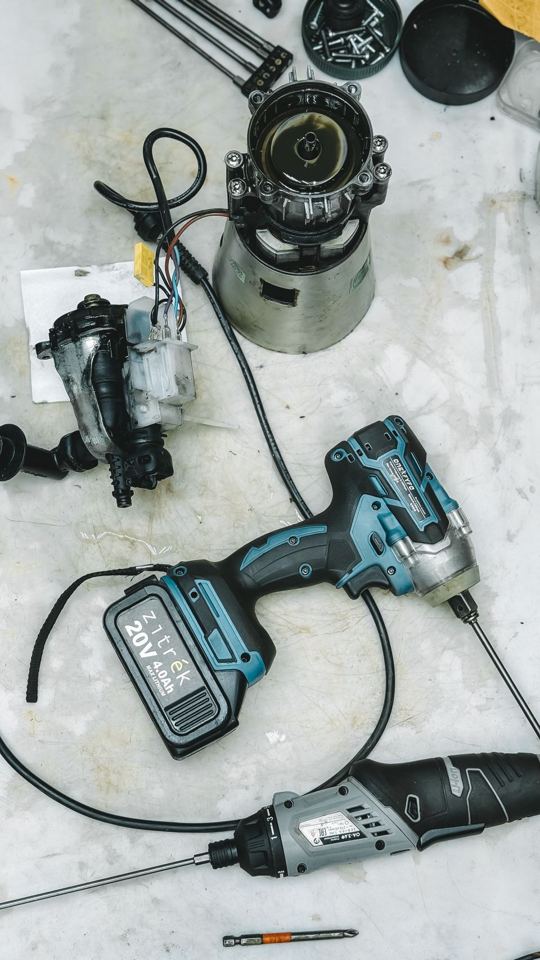
Before buying, check whether important accessories and wear parts can be found for the exact model number.

Plan the gift, wrapping and delivery together, deciding early which amount suits the occasion.
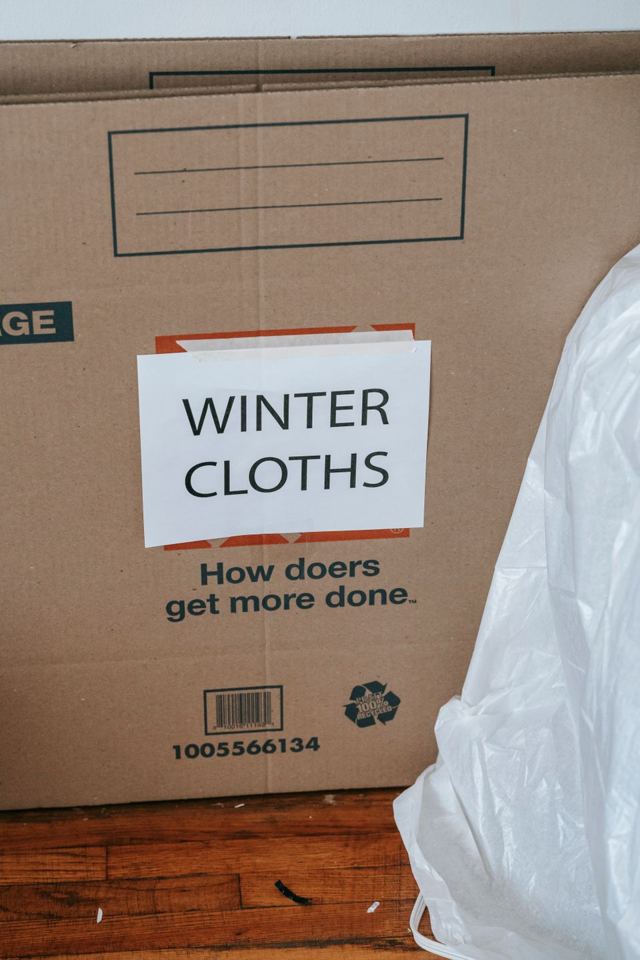
A short inventory and clearly labelled containers help prevent buying seasonal items again next time.

Choose a reusable bottle around opening, cleaning, carrying and reassembling it.
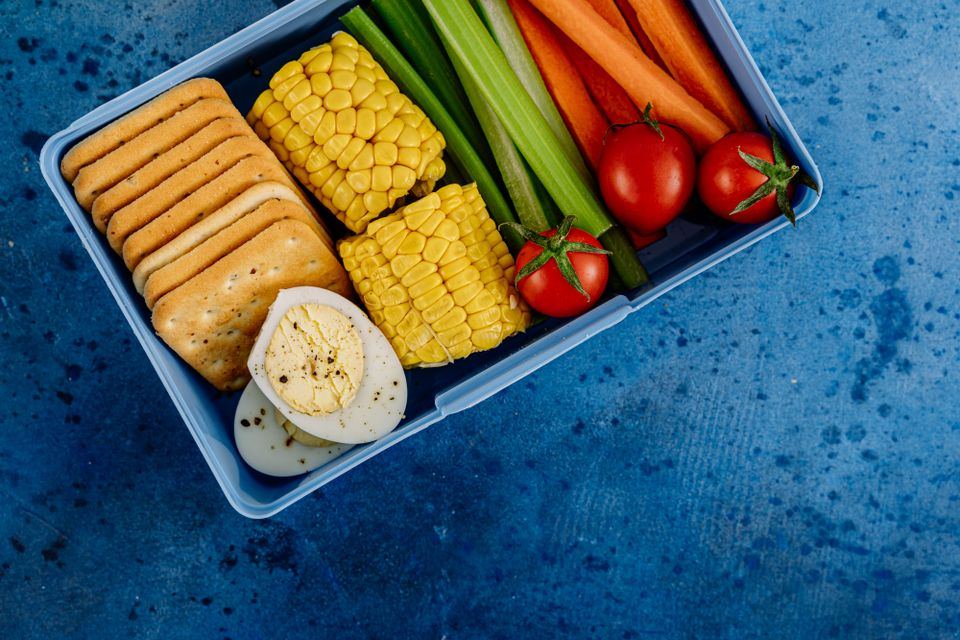
A lunch box should suit portion size, food consistency and transport before you choose extra compartments.

Compare repair and replacement through the specific damage, future usefulness and total effort involved.