A large kitchen set can quickly look complete. Completeness is an advantage only when its tools suit the meals you make. A fair decision does not require assigning value to every item just because it is included. Compare the set with a shorter shopping list that actually covers your needs.
Break down the piece count
Write down what the offer counts as a separate piece. A lid, holder or small measuring spoon can increase the advertised number without handling another cooking task. A list of exact sizes is particularly helpful for mixed sets.
Mark each piece as “frequent use”, “occasional use” or “no planned use”. The first group matters most to your buying decision. An extensive package may be suitable, but a large number alone tells you little about its usefulness.
Compare a realistic list of individual purchases
List the tools you would buy without the set and compare their total price with the package price. Exclude unnecessary extras from this calculation, even if the seller assigns them a high value. You do not need to replace working items you already own.
Include actual delivery charges when comparing several orders. Equally, free delivery should not encourage you to buy extra pieces you do not need. Compare the complete amount for an equipment list that makes sense for you.
Assess each important item separately
The sizes within a set may suit you to very different degrees. Check spoon lengths, the shape of a knife handle, and the dimensions of pans and pots. Read the individual care instructions and any stated compatibility with your cooking surfaces.
A good main item does not automatically compensate for awkward additional pieces. If you want only the large frying pan and have no space for the rest, buying it separately may be more sensible despite a higher price per piece.
Rehearse everyday cupboard use
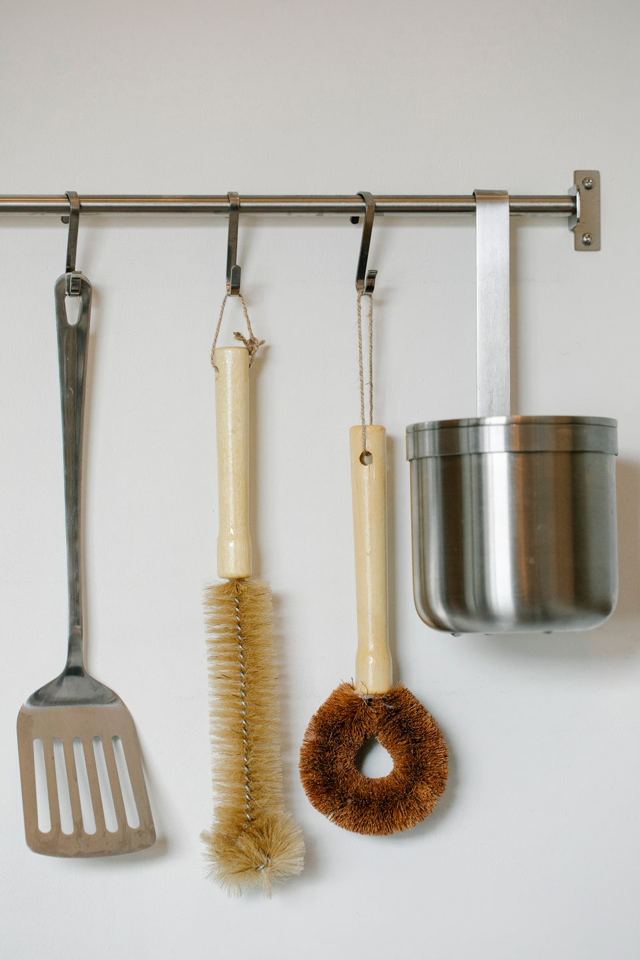
Consider where the pieces will go and the order in which you will retrieve them. Stackable shapes use less room but can make access to the bottom item harder. A hanging system helps only if the intended position is actually available. Add to an existing kitchen selectively. A suitable set is especially interesting when several needed items are missing at once and can be stored without rearranging everything.
Before you buy
- Record exact contents and dimensions.
- Remove existing tools from your needs list.
- Compare a useful list of individual purchases.
- Check storage and access for each main piece.
A set offers value when its pieces collectively meet your needs. Separate purchases give more freedom over size, handles and timing.